PC Monitors
LG UltraGear 32GS95UE-B Review
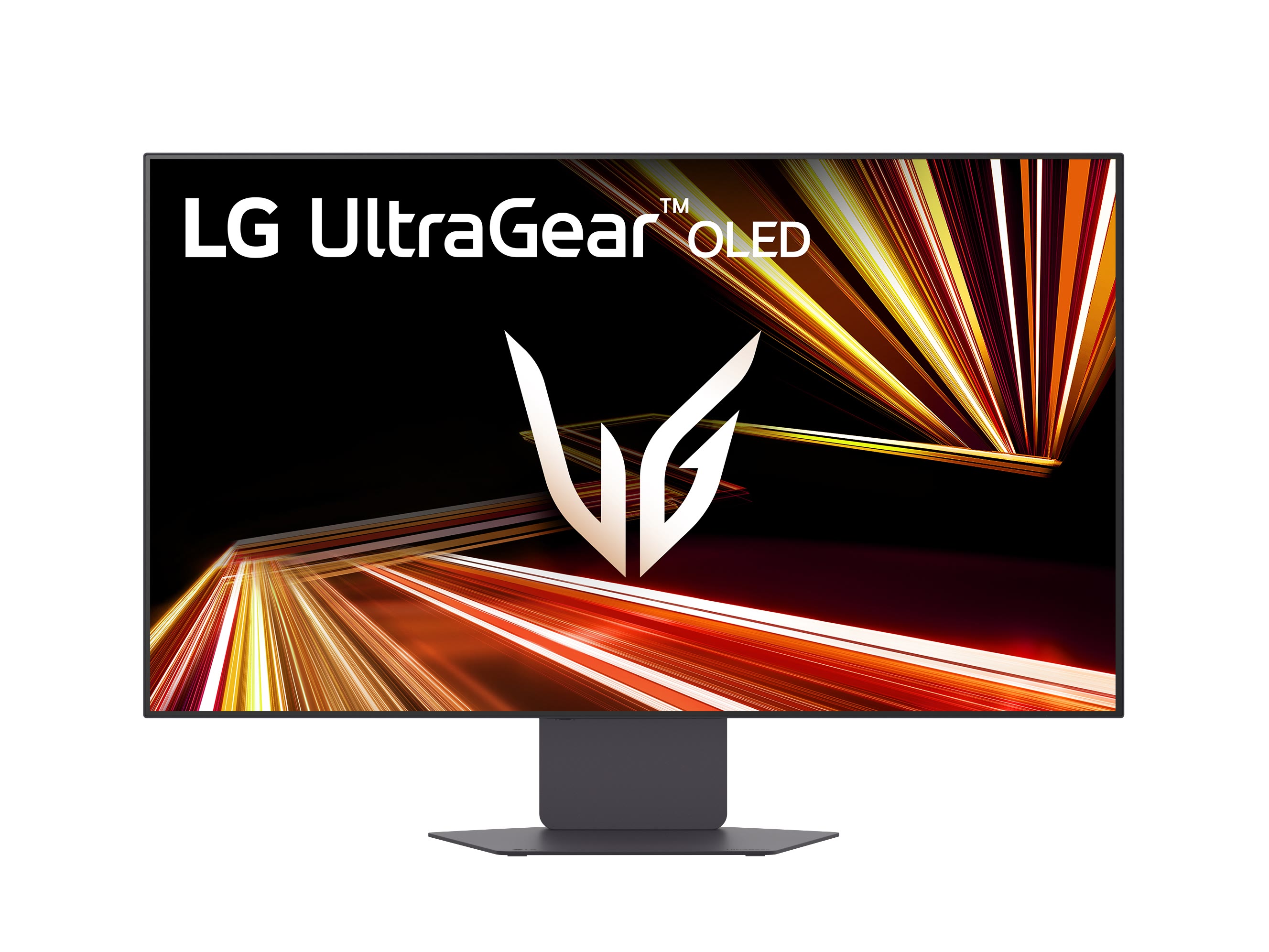
source: pc.watch.impress.co.jp
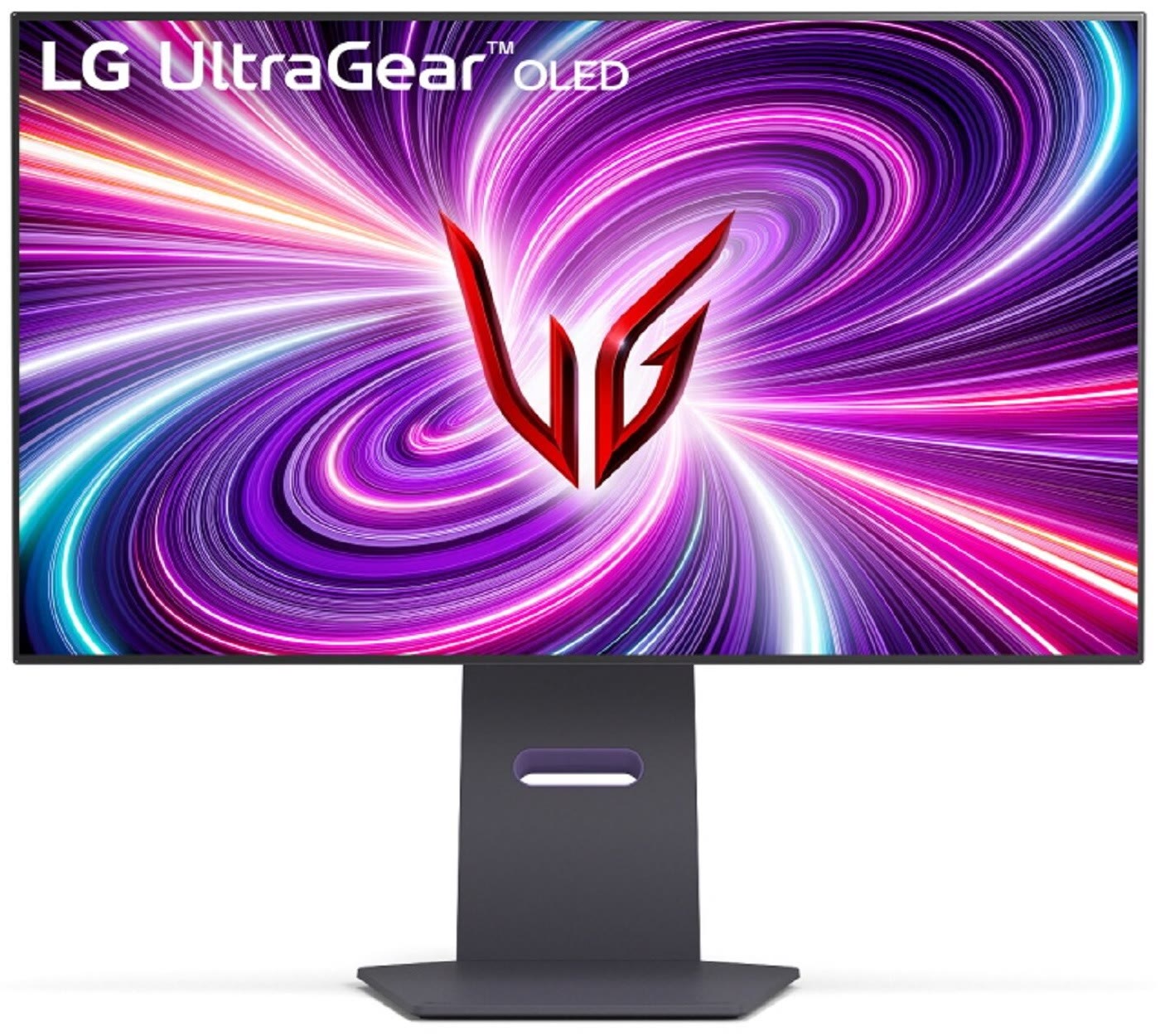
source: pcmonitors.info review page
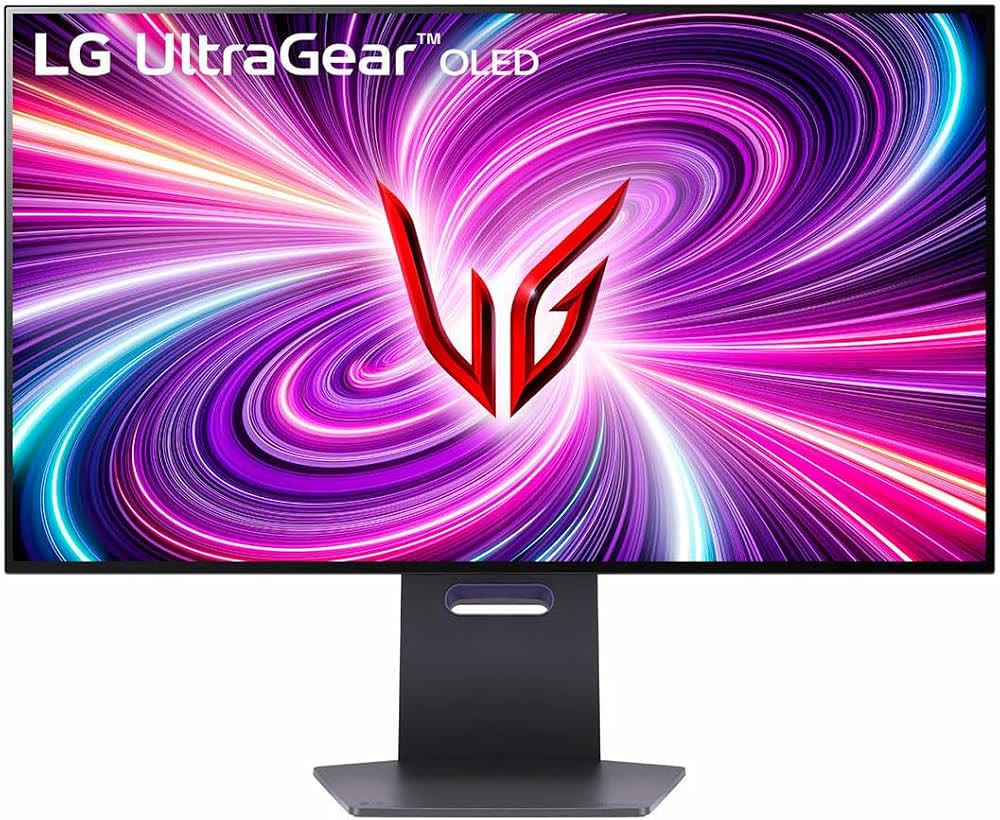
source: m.media-amazon.com
Community verdict
Buy it for one reason: Dual Mode — 4K 240Hz for everything plus 480Hz at 1080p for sweaty shooters, which nothing else in this guide does. Don't buy it for flawless firmware (the Adorama thread is the warning label), for USB-C docking (it has none), or at launch MSRP. At ~$1,050 street it's the esports-friendly OLED.
Key sources:
- https://www.adorama.com/used-lg-ultragear-32gs95ue-b-32-169-dual-mode-4k-uhd-240hz-full-hd-480hz-oled-hdr-gaming-monitor/p/cumlg32gs95u
- https://www.cgmagonline.com/review/hardware/lg-ultragear-32gs95ue-oled-monitor/
- https://www.youtube.com/watch?v=n5tyIlI5wNk
- https://linustechtips.com/topic/1581872-is-the-lg-32gs95ue-really-this-bad/
- https://www.gearinstock.com/lg-32gs95ue-ultragear-4k-gaming-monitor-pre-order-in-stock-availability-tracker/
Price
| Size | MSRP | Current street (observed 2026-09-20) |
|---|---|---|
| 32" (31.5") | $1,399 | Stale affiliate deal $1,069.99 (dated, verify); current US street price evidence was inconsistent — recheck live before purchase |
- Discount trajectory: launched $1,399; deal-hunters reported ~$1,070 in sales. At ~$1,000–1,100 it's the cheapest Dual-Mode ticket.
The review
LG UltraGear 32GS95UE-B Review
Two monitors in one trench coat — 4K/240Hz for everything, 1080p/480Hz for the sweaty stuff — if you'll actually use both.
The LG UltraGear 32GS95UE-B is the Dual-Mode WOLED: a 31.5" 4K panel running 240Hz that drops to 1080p to hit 480Hz for esports, the first real "one monitor for everything" attempt in the OLED gaming space. Same 32" class as the MSI/ROG QD-OLED trio, but WOLED instead of QD-OLED — slightly different coating, slightly different HDR behavior — plus LG's Pixel Sound speakers, the genuinely unusual standout that emits audio from the screen itself. It's the veteran of the 32" OLED wave (2024 launch), and Dual Mode is why it still has a reason to exist.
What's genuinely good: the mode switch is the feature, and for the right buyer it's transformative. 4K 240Hz for cinematic single-player, then one button-press to 480Hz at 1080p for CS2 and Valorant — nothing else in this guide does that, and competitive players who split their time feel the difference. OLED contrast, 98.5% DCI-P3 coverage, ~1,300-nit peak in small windows per reviewers, and Pixel Sound described as a standout by reviewers — actual usable speakers on a gaming OLED, which is rarer than it should be. At the discounted street price (~$1,050–1,100 vs. $1,399 launch), it's the cheapest Dual-Mode ticket in existence.
What's actually wrong: the firmware history is the warning label. A verbatim Adorama owner: "Shuts off randomly for a second or two! VERY annoying!" Another owner reported white static on boot, failing controls, and fuzzy 1080p/480Hz desktop text — a real firmware-era complaint thread, and the LinusTechTips thread literally titled "is the LG 32GS95UE really this bad" tells you the mood at the time. Firmware updates reportedly helped later units, and the Adorama comment texture suggests replacements were the resolution path for the blanking bug — but whether the random-blanking issue is fully resolved on current retail units is UNVERIFIED. Buy recent stock and update firmware on day one. Beyond firmware: vertical banding reports surfaced (banding anxiety is real on WOLED), the matte anti-glare coating divides owners — great in lit rooms, a compromise for gloss purists — and there's no USB-C video input at all, so laptop users need an HDMI/DP adapter and can forget one-cable docking. LG's standard monitor warranty (typically 2 years US — UNVERIFIED for this exact model) with no explicit burn-in guarantee language surfaced is thinner than the 3-year burn-in-inclusive warranties on the QD-OLED rivals.
Who should skip it: buyers who won't actually use both modes — if you never touch 480Hz, you're paying for a party trick and should buy the cheaper QD-OLED trio instead. Laptop-dock users (no USB-C video, no contest). Gloss-panel purists. And anyone buying at launch MSRP — at $1,399 it was a hard sell against the QD-OLED trio; it's a discount-only proposition.
The social pulse, in one paragraph: the veteran with scar tissue. The 2024 firmware complaints (Adorama, LTT forums) are the most-shared texture, and they still color the conversation — every recommendation thread includes someone asking whether the blanking is fixed. Reviewer coverage (CG Magazine) and the YouTube review ecosystem are warm on the panel and Dual Mode; owner sentiment splits between Dual-Mode devotees and firmware-era casualties. Threads, Facebook groups, and Instagram are empty, as with every monitor here — the discussion lives on Reddit, r/OLED_Gaming, and forums. The honest shape of it: a genuinely flexible panel handicapped by a rough first year, now living on discounts.
Value call: $1,399 MSRP; a stale affiliate deal showed $1,069.99, and deal-hunters reported ~$1,070 in sales — current US street on 2026-09-20 was inconsistent, so recheck live. At ~$1,000–1,100 it's the esports-friendly OLED for the dual-mode buyer. At $1,399, the QD-OLED trio (MSI at $750, ASUS, Gigabyte) wins on price, warranty length, and USB-C. The discount trajectory is the whole value story: launched high, lives on sale.
Buy it for one reason: Dual Mode. Don't buy it for flawless firmware, for USB-C docking, or at launch MSRP. At ~$1,050 street, it's the only monitor that plays both games.
Prices and claims observed 2026-09-20; re-verify live before purchase.